

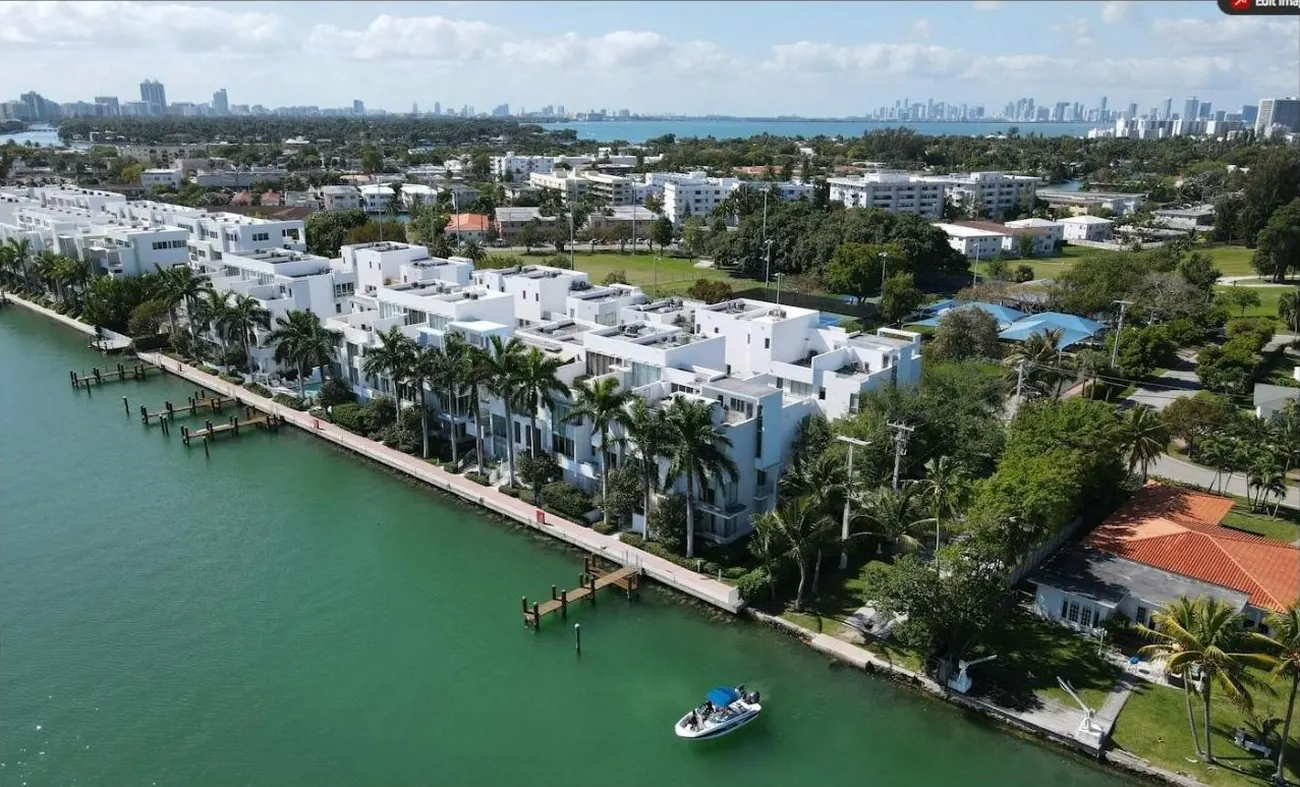
Broward · 33024 · 33025 · 33026 · 33027 · 33028 · 33029
Pembroke Pines real estate
Large southwest Broward suburb with gated communities, 55-plus condos, and I-75 access.
About Pembroke Pines
Pembroke Pines is one of the largest cities in Broward County, stretching from the Florida Turnpike on the east to US-27 and the edge of the Everglades on the west, between Miramar to the south and Cooper City and Davie to the north. It incorporated in 1960 and grew in two main phases: the eastern half in the 1960s and 1970s, and the western half from the late 1980s through the 2000s as master-planned communities. Pines Boulevard is the main east-west spine, with Sheridan Street and Pembroke Road paralleling it.
I-75 cuts through the middle of the city and is the main link to Miami-Dade to the south and to Weston, the Sawgrass Expressway, and I-595 to the north. Pembroke Lakes Mall, the city's large park system, and Memorial Hospital West are key anchors. The city runs its own charter school system alongside Broward County Public Schools, which is unusual for Florida.
Housing in Pembroke Pines
Eastern Pembroke Pines, east of I-75, has 1960s and 1970s single-family homes on standard lots, many without an HOA, plus Century Village and other large 55-plus condo communities. Western Pembroke Pines consists mostly of gated master-planned communities such as SilverLakes, Chapel Trail, Pembroke Falls, Grand Palms, and Towngate, with single-family homes, townhomes, and some condos from the 1990s and 2000s, nearly all under master and sub-associations. Lot sizes in the west are modest, and lake views are common.
Who Pembroke Pines tends to fit
Pembroke Pines tends to fit families who want a newer home in a gated community with parks and sports facilities, commuters who split work between Miami-Dade and Broward and can use I-75, and retirees drawn to the 55-plus condo communities. The trade-offs are I-75 and Pines Boulevard congestion, HOA dues in the west, aging roofs and systems in the east, and the long drive to the ocean from the western sections.
Due diligence in Pembroke Pines
- For western communities, obtain both master and sub-association documents, including rental caps, lease minimums, and approval procedures.
- For 55-plus condos, confirm age restrictions, occupancy rules, the reserve study, and any pending special assessments; many of these buildings are decades old.
- Confirm the FEMA flood zone and elevation certificate; the far west of the city sits near the Everglades water conservation areas and much of it is mapped in flood zones.
- In eastern neighborhoods built in the 1960s and 1970s, check roof age, electrical panels, and plumbing for insurance purposes.
Questions we hear first
What is the difference between east and west Pembroke Pines?
East of I-75 the city is older, with 1960s and 1970s homes, many without HOAs, and several large 55-plus condo communities. West of I-75 the city consists largely of gated master-planned communities built from the late 1980s through the 2000s with mandatory associations and more recent construction.
Does Pembroke Pines have a lot of 55-plus communities?
Yes. Century Village in Pembroke Pines is one of the largest age-restricted condo communities in South Florida, and several other 55-plus condo and villa communities exist, mostly in the eastern and central parts of the city. Each has its own age, occupancy, and rental rules that buyers and heirs should understand before purchasing.
How do Pembroke Pines residents commute to Miami?
I-75 south to the Palmetto Expressway is the most common route toward Doral, the airport, and Miami Lakes, while the Turnpike on the east side serves trips toward Hialeah and downtown. Both routes carry heavy peak-hour traffic, and travel times to Brickell or downtown Miami are long.
Neighborhood guides
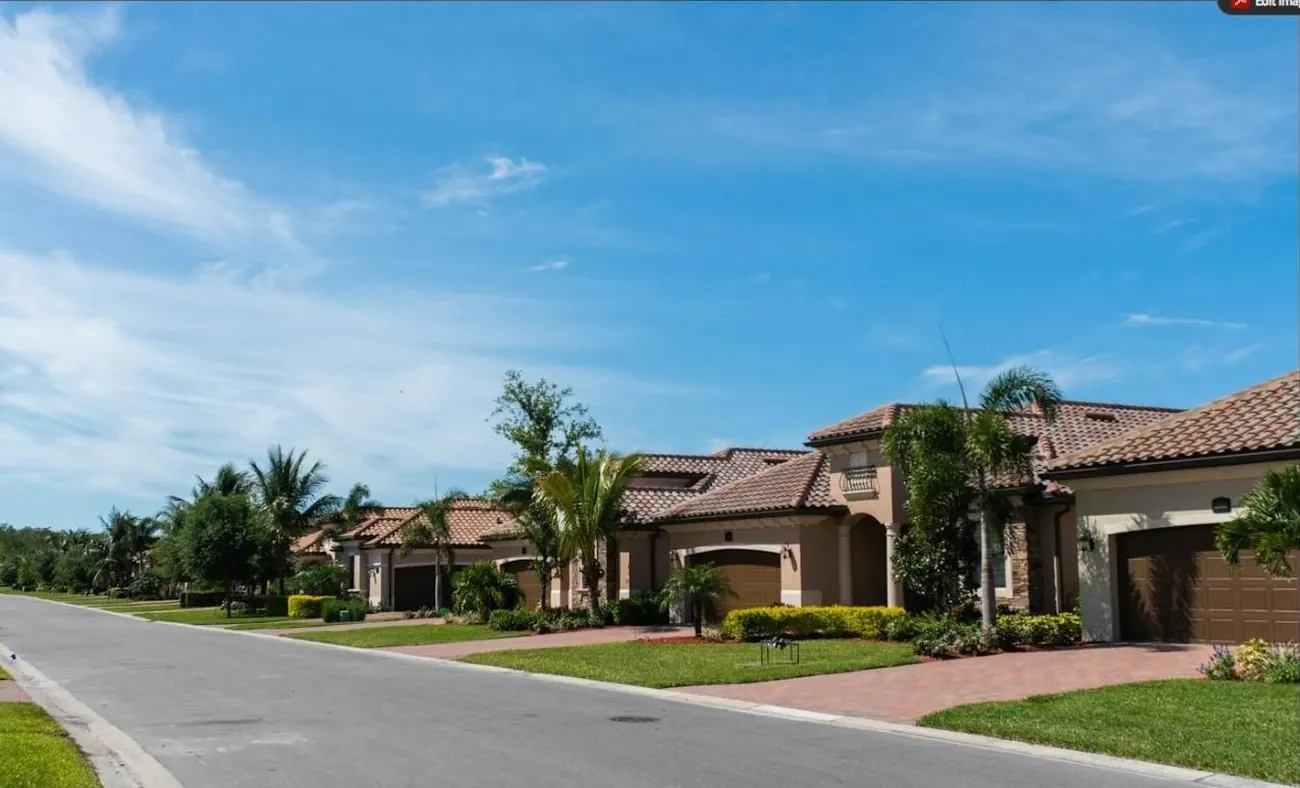 Miami-Dade
Kendall
Central South Dade suburb with Metrorail access, Dadeland, and mid-century homes.
33156 · 33173 · 33176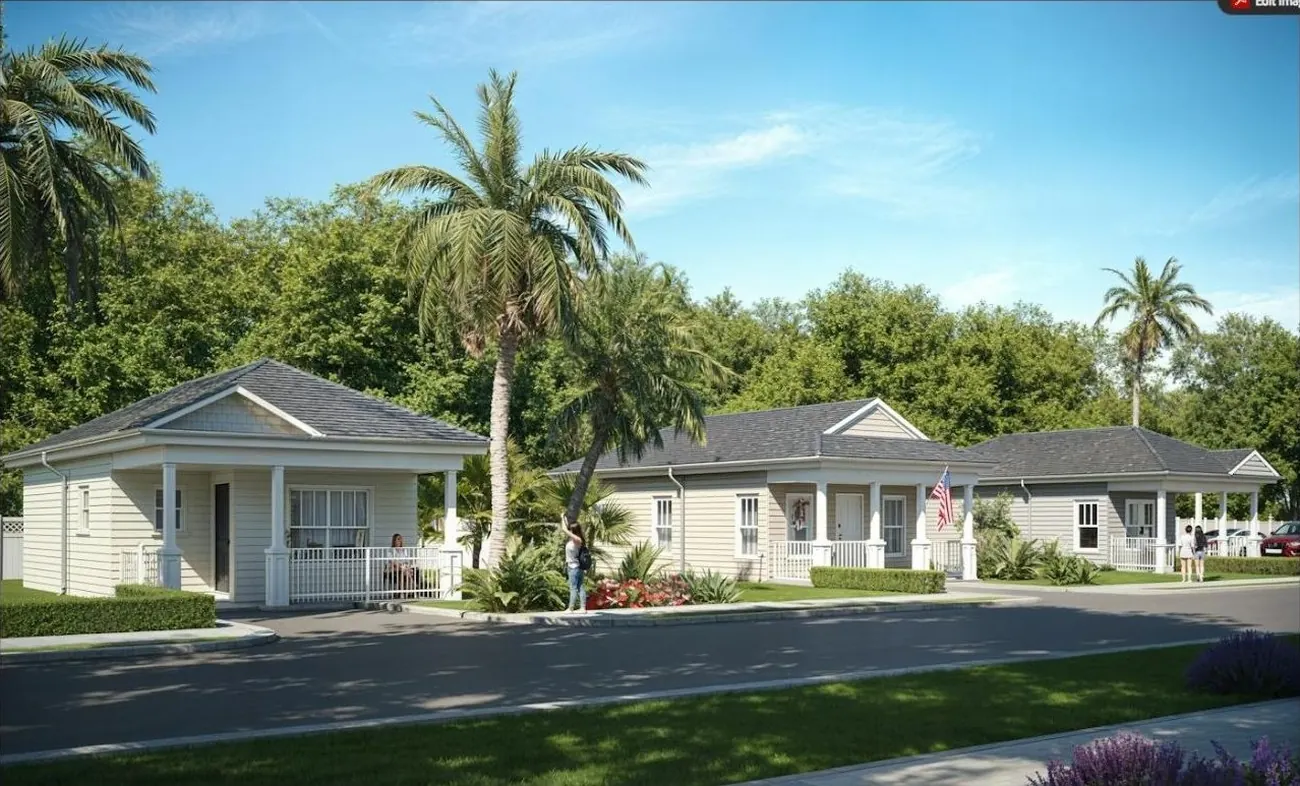 Miami-Dade
West Kendall
Planned communities west of the Turnpike with lakes, HOAs, and newer housing.
33186 · 33193 · 33196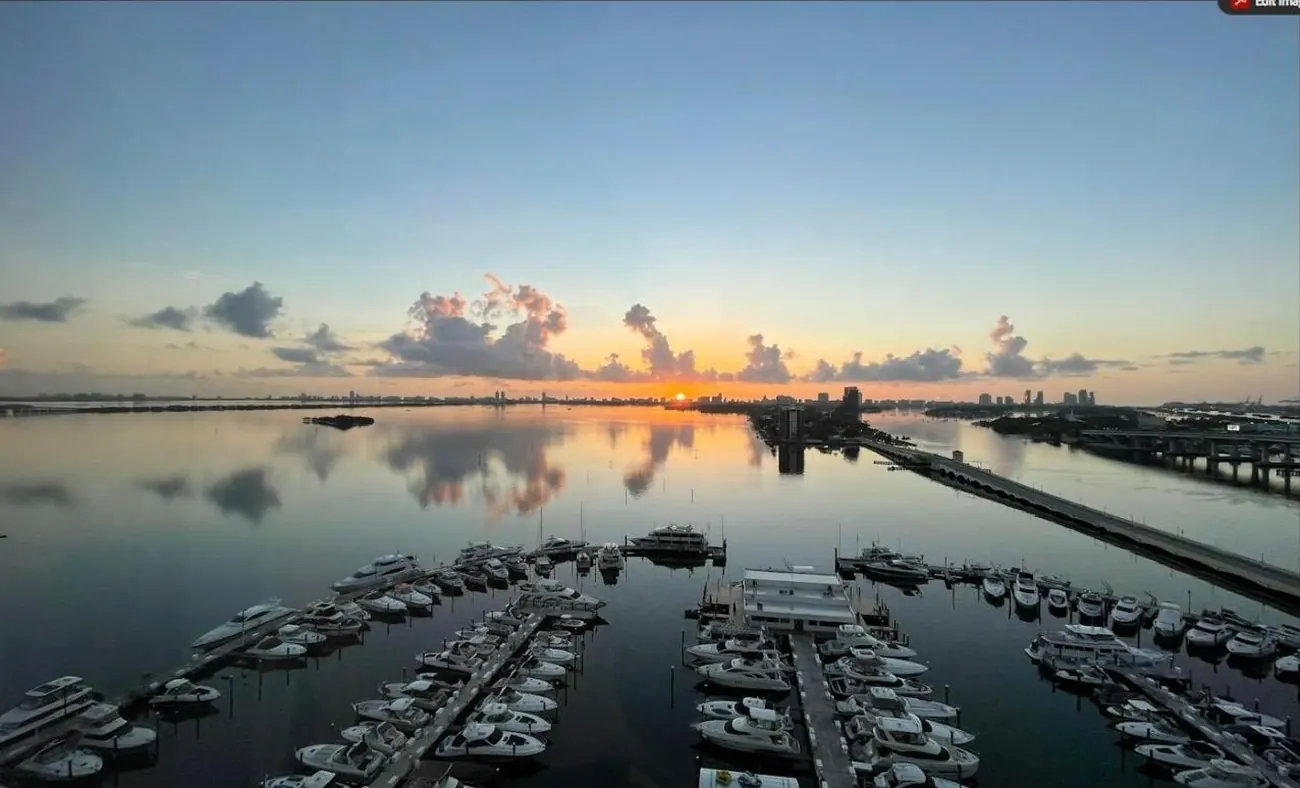 Miami-Dade
Cutler Bay
Bayside town in South Dade with lake communities and post-Andrew housing.
33157 · 33189 · 33190 Miami-Dade
Palmetto Bay
Low-density village of parks along Old Cutler Road with larger lots.
33157 · 33158